

Global Forces Reshaping Travel Demand

The discussion and supporting research converge on a single inflection point for the industry: travel has shifted decisively from a search-led activity to a discovery-led one. Digital platforms now feed inspiration continuously before, during, and after trips, collapsing travel planning into an always-on process rather than a discrete moment.
DIGITAL-FIRST DISCOVERY IS NOW THE START OF THE TRAVEL JOURNEY
01
Ignoring digital invisibility is now an existential risk. The latest research by TikTok in partnership with IPSOS backs this assessment, with 42% of travelers discovering new destinations through digital platforms rather than traditional advertising. Discovery is algorithmically guided, delivering highly personalized “maybe someday” moments. As digital discoverability turns into a core determinant of demand, new-age survival for destinations and operators requires constant visibility, accuracy, and searchability for information, experiences, and narratives. This calls for greater investment in content ecosystems, data infrastructure, and real-time engagement capabilities.
This is amplified by the public nature of travel: discovery, on-the-ground experience, and feedback all happen in open digital environments, with each micro-moment contributing to a destination’s global reputation. As user-generated content travels far, destinations and operators must focus not only on visibility, but on active stewardship, steering travelers towards the right places, at the right times, with the right expectations.
The call to action for CEOs was clear: shift efforts towards organically building authentic user-generated content that targets prime locations, non-peak seasons, and experiences that align with long-term capacity, social, and environmental objectives.

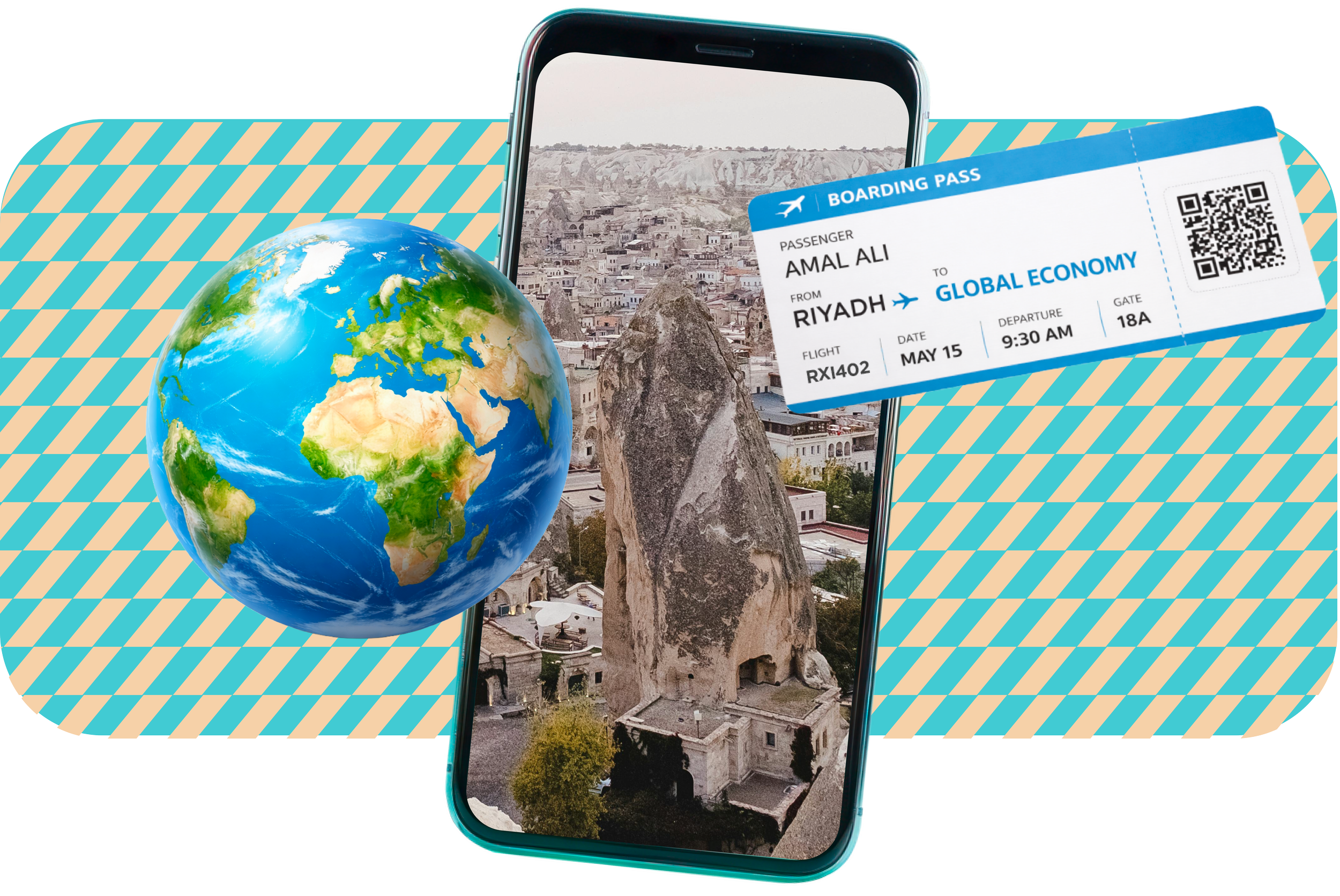
CREATORS INCREASINGLY FUNCTION AS CONVERSION INFRASTRUCTURE, NOT JUST SOURCES OF INSPIRATION
02
A key realization during the discussion was that creators have evolved beyond ‘marketing fluff’. Short-form video has collapsed discovery and decision into the same moment. Inspiration is no longer abstract; creators now actively trigger the majority (52%) of trips. Leaders at the table agreed that creators are ‘conversion infrastructure’ acting as the new travel agents that shape itineraries before a user even opens a booking app.
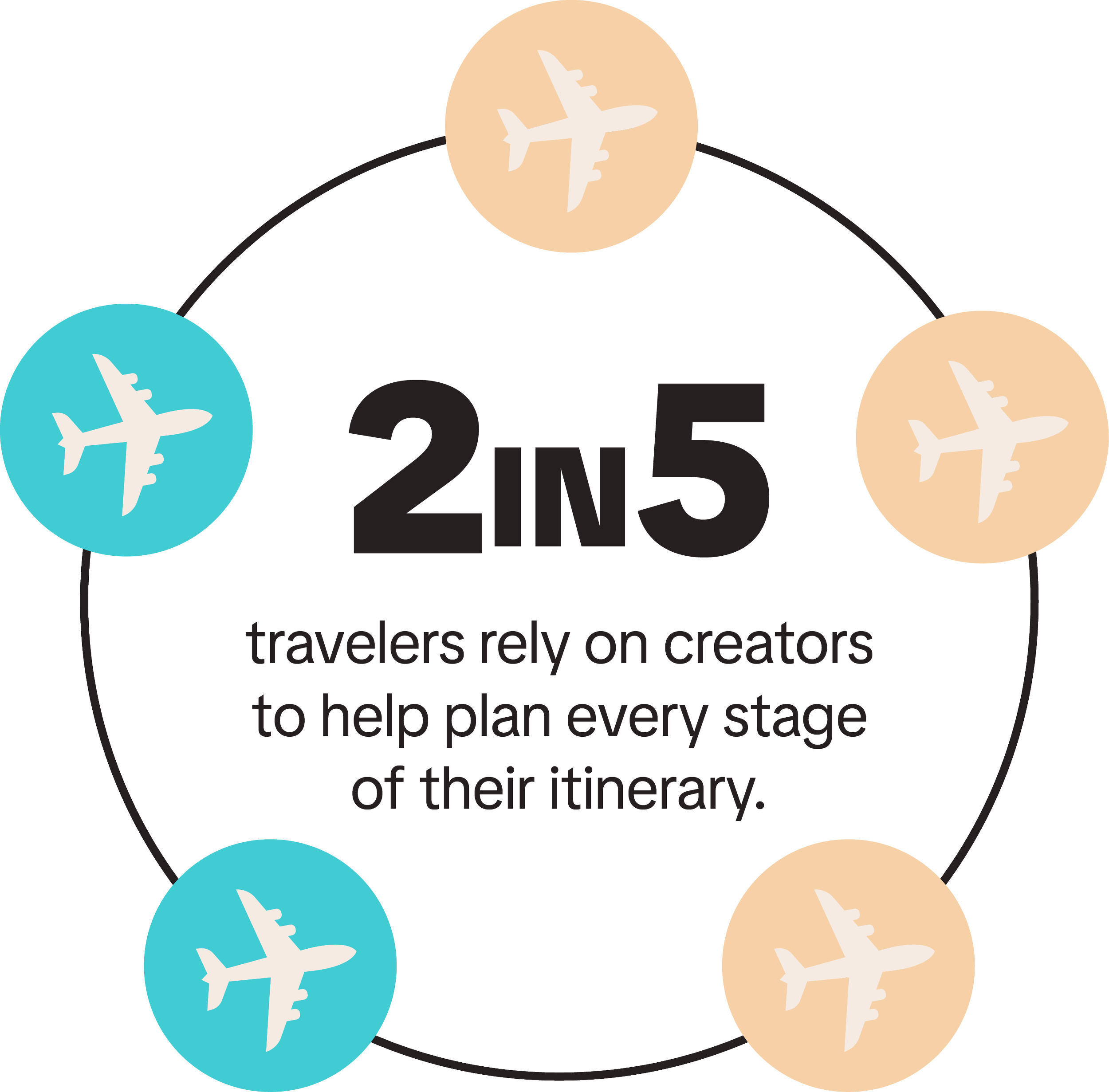
They don’t just inspire, but also validate choices and drive booking. With two in five travelers relying on creators across every stage of planning, creators have emerged as the new itinerary architects shaping where people go, when they travel, and what they do once they arrive.
As these new architects redesign the itinerary, they are fundamentally shifting the unit of demand: travelers are no longer searching for a generic 'place', but for a specific, validated 'experience'.
EXPERIENCES NOW OUTWEIGH GEOGRAPHY IN DRIVING DEMAND
03
Destinations are increasingly chosen for the lure of “experience”. Emotional outcomes such as connection, escape, romance, renewal, or self-discovery are now primary decision drivers.
As landscapes, hotels, and attractions become inputs into these outcomes rather than the product itself, the leaders agreed that the way forward is to define a clear experience proposition and allocate resources toward developing, curating, and maintaining that. Competitive advantage shifts from physical assets to the ability to design and deliver distinctive, repeatable experiences that sustain demand across seasons.
A related challenge identified by the leaders was repeat visitation. Creating initial interest is increasingly achievable through digital discovery, but sustaining relevance requires continuous reinvention so that a second visit offers new value.
The directive was clear: destinations must be primed and positioned to last in the travelers’ memory-scape beyond the first-visit appeal. Sustained competitiveness now depends on continuously refreshed experience portfolios that give return visitors new reasons to come back, supported by clear experience propositions, diversified programming, and lifecycle-based, seasonally renewed destination strategies.
DIGITAL TRAVEL CONTENT ACCELERATES DECISION MAKING
04
A key behavioral insight: seeing real people enjoy a destination provides social proof and reduces perceived risk. A key realization during the discussion was that in the age of over-information, what moves people is immersion. POV and narrative-led content allow travelers to rehearse the journey before they commit. Scarcity does the rest: limited-time events, seasonal moments, and the framing of ‘hidden gems’ activate the fear of missing out.
Then come the small acts of saving, sharing, and commenting, quietly embedding the destination into travelers’ subconsciousness. When these forces converge, decision timelines compress dramatically. With over a third of travelers finalizing plans without ever leaving the app, the gap between looking and booking has vanished. Inspiration and conversion increasingly occur in a single session. It is all about delivering the final nudge that turns intent into action.
Crucially, this final 'nudge' rarely comes from broad demographic targeting, but rather from the trusted, interest-based communities that travelers identify with.
COMMUNITIES NOT DEMOGRAPHICS, SHAPE TRAVEL DECISIONS
05
Limitless possibilities are constantly emerging for destinations and brands to connect in ways that traditional segmentation simply cannot. A new business reality: demographics don’t explain modern travel behavior the way interests do.
Businesses require new capabilities to maneuvre this shift from demographic segmentation to community-based engagement. The mandate was clear: winning organizations will distinguish themselves by identifying high-value interest groups, designing for their specific preferences, and building the trust necessary to sustain demand.
To maintain the trust of discerning communities, destinations must ensure that their digital promise matches their physical reality, making cultural relevance the ultimate economic asset.
CULTURAL RELEVANCE AS SOFT POWER AND ECONOMIC ASSET
06
Culture is an economic firewall, securing the future of the destination. If we are only investing in one-off events, we are merely renting an audience rather than owning a market. The directive is to build self-sustaining ecosystems through credible local partnerships, talent, and capital.
